

Fuel Pumps Explained: EFI vs Carb, In-Tank vs External, and How Mechanical Pumps Work

Fuel delivery is one of those areas where getting the basics right matters more than spending big. Pick the wrong pump or regulator and it doesn't matter how good the rest of the build is. Here's a plain-English look at the three decisions that come up most often in the shop.

EFI vs carb — which side are you on?
Both will get fuel into your engine, but they do it in very different ways.
EFI — electronic fuel injection
EFI uses injectors controlled by an ECU to precisely meter how much fuel the engine receives.
- More precise fuel delivery
- Easier cold starts
- Better drivability across changing temperatures and conditions
- Easier to tune for boost, ethanol fuels and higher horsepower applications
- Compensates for changes in load, RPM and engine conditions
The trade-off is complexity. EFI generally requires higher fuel pressure, more wiring, more sensors and more electronics.
A typical EFI setup includes a high-pressure fuel pump, an EFI fuel pressure regulator, a fuel rail and injectors, an ECU, proper pre and post-pump filtration, and a return line depending on the system.
Carburettor
Carburettors use airflow and pressure differences to mechanically meter fuel into the engine.
- Simple
- Easy to understand and work on
- Minimal electronics required
- Ideal for classic cars, hot rods and traditional V8 builds
- Will support serious power when properly set up
Carb systems run at much lower fuel pressure than EFI, so choosing the correct pump and regulator is critical. A typical carb setup includes a low-pressure fuel pump, a carb-compatible regulator, a fuel filter, the carburettor itself, and the lines and fittings to join it all together.
A few options from Stealth Ride
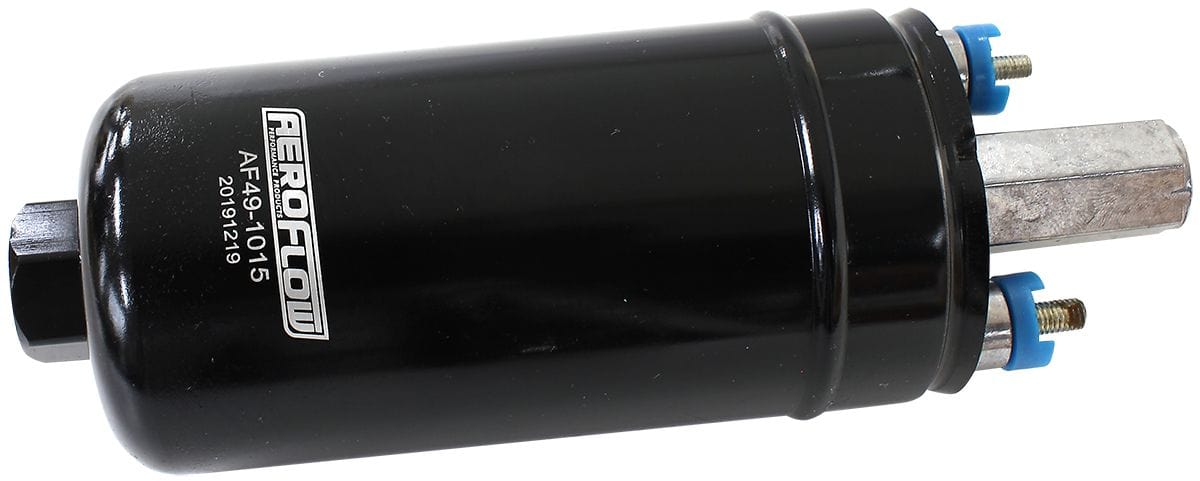
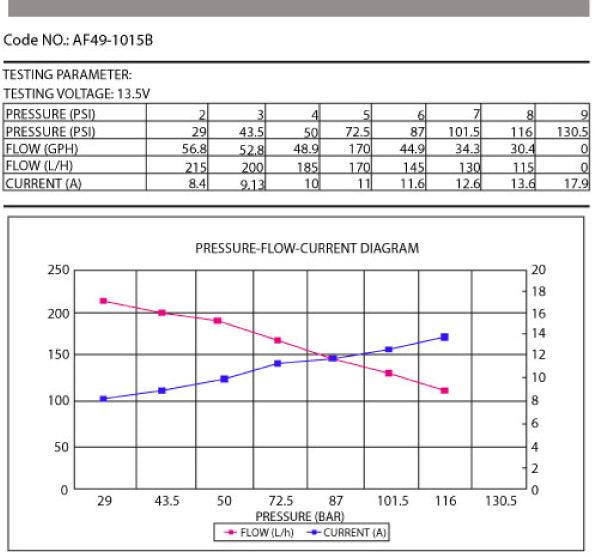
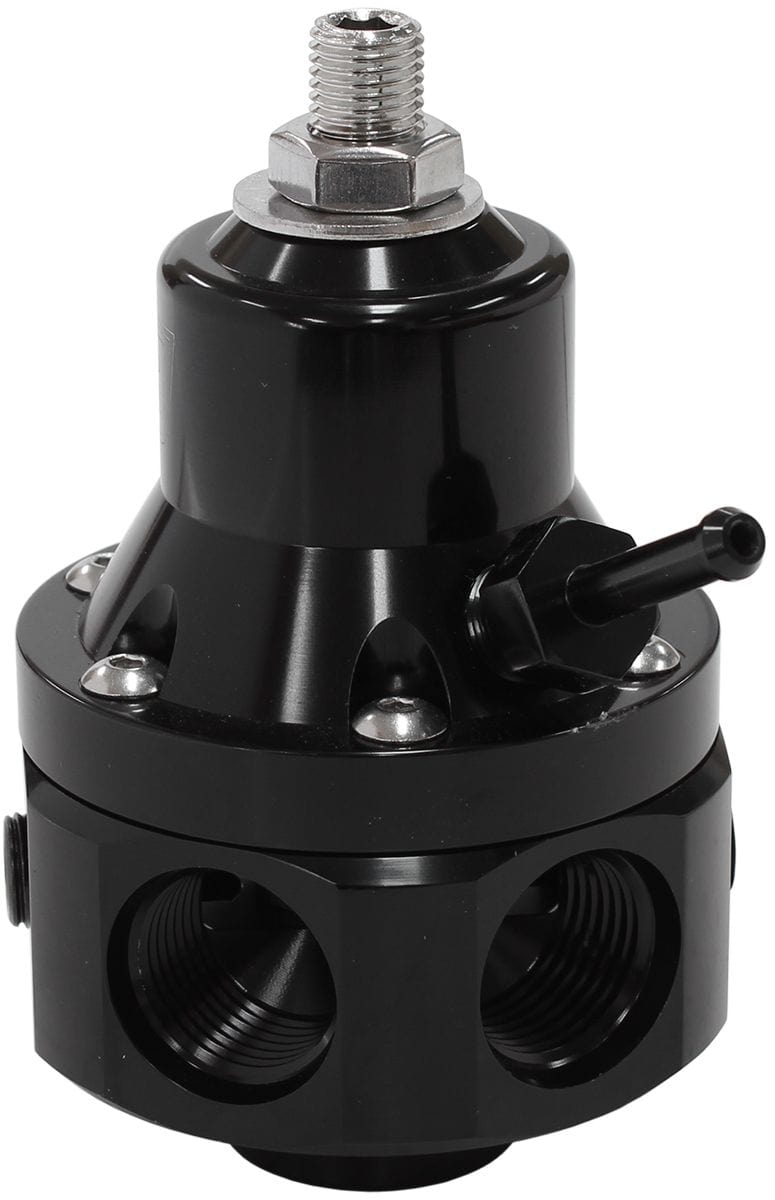
EFI: the AF49-1015 is a 300LPH EFI pump rated to support up to 675HP, and the AF66-2060BLK is a 35–85 PSI adjustable EFI regulator.
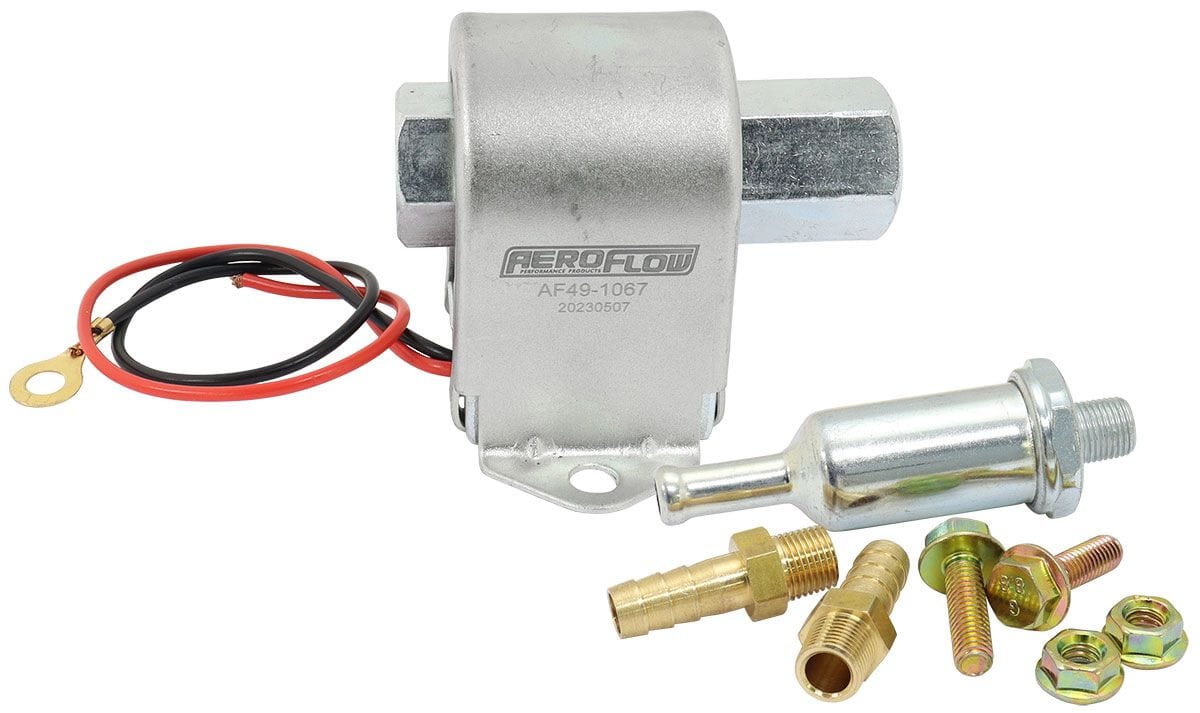
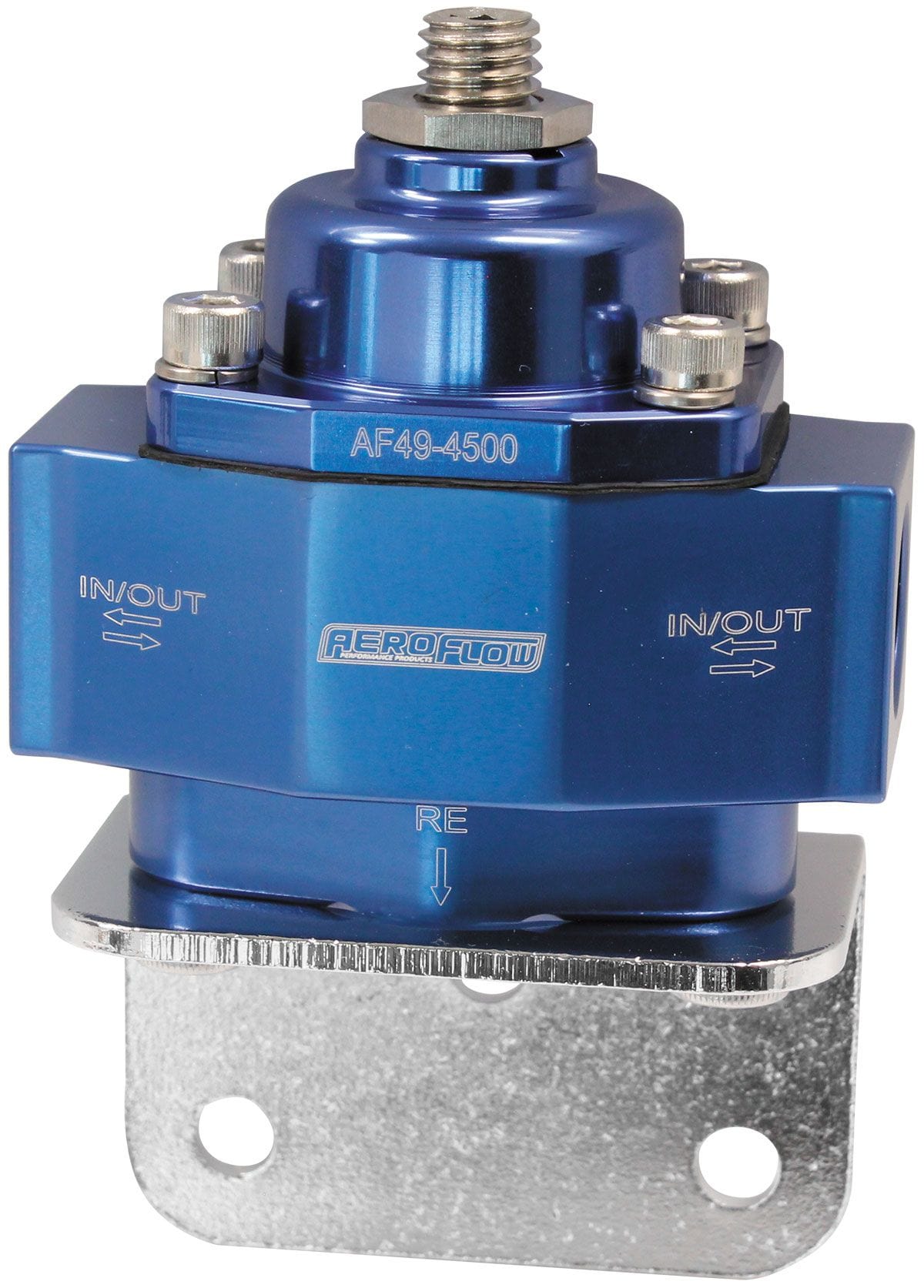
Carb: the AF49-1067 is a low-pressure 25 GPH / 4 PSI carburettor pump, paired with the AF49-4500, a 4.5–9 PSI bypass regulator.




In-tank vs external — which one do you need?
Both can supply serious fuel flow, but where the pump lives makes a big difference to noise, cooling, installation and how the rest of the fuel system gets designed.
In-tank fuel pump
An in-tank pump sits inside the fuel tank, submerged in fuel.
- Generally quieter
- Fuel helps keep the pump cool
- Cleaner installation with less exposed plumbing
- Well suited to street cars and tidy EFI conversions
- Supports serious horsepower with the right pump or a multi-pump setup
- Often works with factory-style pump hangers
External fuel pump
An external pump mounts outside the tank, normally underneath the vehicle or close to a fuel cell or surge tank.
- Easy to access and service
- Ideal for custom fuel systems
- Easy to incorporate large filters, surge tanks and AN plumbing
- Plenty of high-flow options available
- Popular for race cars, fuel cells and heavily modified setups
A few Aeroflow options
The AF49-1012 is an EFI electric in-tank pump rated up to 500HP. The AF49-1015 is designed for in-tank or external use and is rated up to 675HP, which makes it a useful option if the final mounting location isn't locked in yet.
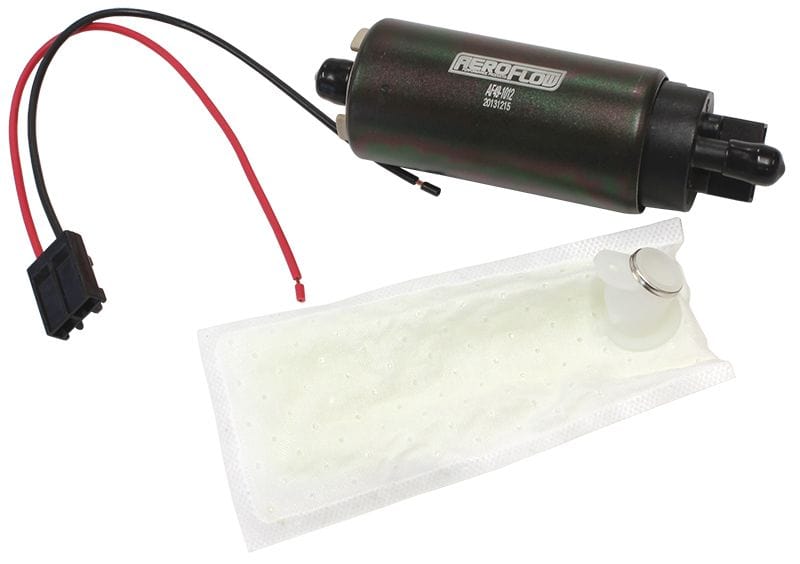
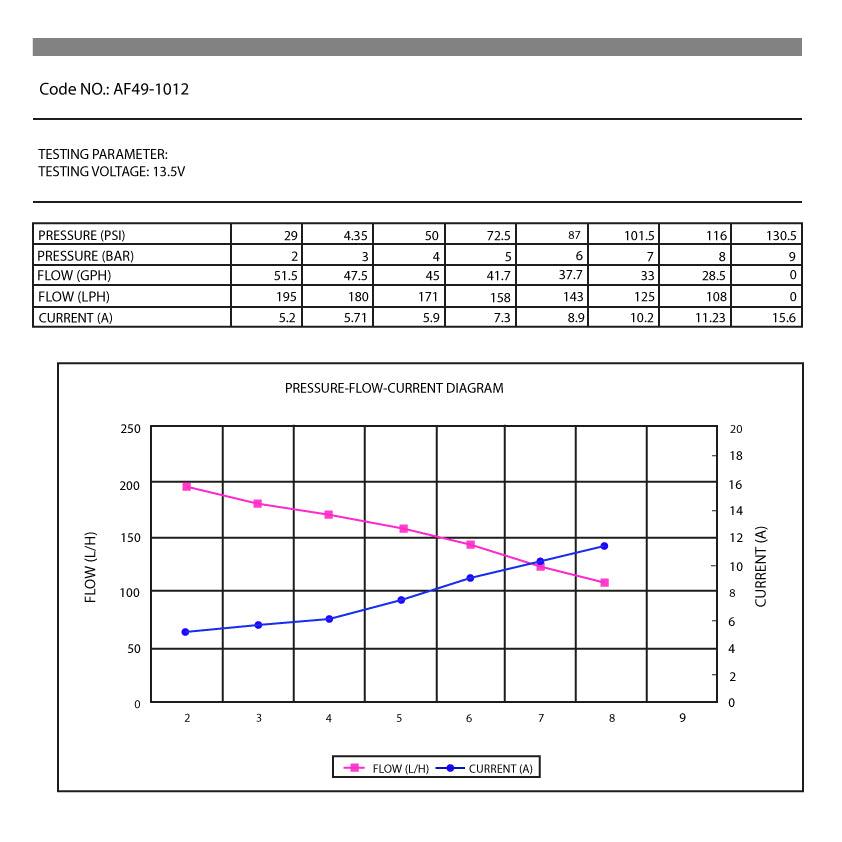
SKU: AF49-1012

How does a mechanical fuel pump work?
Mechanical fuel pumps are one of those beautifully simple parts that have been keeping engines running for decades. Before electric pumps became commonplace, mechanical pumps were the standard way of getting fuel from the tank to the carburettor, and you'll still find them on plenty of classic, carburetted and old-school performance engines today.
What is a mechanical fuel pump?
A mechanical fuel pump is an engine-driven pump that draws fuel from the tank and supplies it to the carburettor. Unlike an electric pump it needs no motor, relay or wiring — it's physically driven by the engine. On many classic engines it bolts to the side of the block and is operated by an eccentric on the camshaft. As long as the engine is turning, the pump is working.
How it works
1. The engine moves the pump lever. As the camshaft rotates, an eccentric lobe pushes against the pump's operating lever, which moves the internal diaphragm.
2. The diaphragm creates suction. As the diaphragm moves, the volume inside the pump chamber increases, creating a low-pressure area that draws fuel up the line from the tank. An inlet check valve lets fuel in while stopping it flowing backwards.
3. Fuel is pushed towards the carburettor. The return spring pushes the diaphragm back the other way, pressurising the fuel in the chamber. The inlet valve closes, the outlet valve opens, and fuel is sent down the line to the carburettor.
4. The cycle repeats. Draw fuel in, pressurise it, send it to the carburettor, repeat — every rotation of the engine.
What happens when the carb doesn't need more fuel?
This is the clever part. The pump doesn't force its full displacement into the carburettor continuously. As the float bowl fills, the float rises and the needle and seat restrict fuel entering the bowl. Pressure builds in the line, the diaphragm simply can't complete its full stroke, and the pump effectively idles until the carb calls for fuel again.
Aeroflow mechanical fuel pumps
Aeroflow Performance offers mechanical pumps for a range of popular classic engine applications — handy when you're replacing a tired factory pump or putting together an old-school carburetted build.
- Chevrolet V8 — Small Block and Big Block Chevrolet applications
- Ford V8 — Windsor and Cleveland, plus selected Big Block Ford engines
- Chrysler V8 — including popular small-block applications
Always check the individual pump's application, pressure, flow specification and fuel compatibility before ordering.
Shop the full Aeroflow fuel system range
That's your Tuesday Tune-Up — another little piece of automotive knowledge to help you understand what's actually happening underneath the bonnet. Not sure which way to go on your build? Give us a call on 04 830 4141 and we'll talk it through.


